



By Ken Daigle
“Suffering is optional” sounds wonderful until you are the one going through a difficult time. Then it can sound like one more thing you are supposed to be doing better. You are hurting, and now you are supposed to feel bad about hurting? When I speak about suffering being optional, I am inviting us to discover where we have more freedom than we realize, even in circumstances we would never have chosen.
Tara Brach offers a helpful distinction: “Resisting turns unpleasantness into suffering.” We experience sadness, and then tell ourselves we should not be sad. We feel afraid, and judge ourselves for not having enough faith. We are angry, and try to cover the anger with an affirmation before listening to what it is telling us. Now we are carrying the original feeling and our argument with ourselves for having it.
Our spiritual practice gives us a place to bring the whole of ourselves. Let the tears come. Tell the truth. Notice what is happening in your body and allow the feeling to move through you. Feeling our feelings all the way through means giving them room to unfold without continually feeding them the story that first brought them up. Grief may return in waves, and we can meet each wave with compassion rather than deciding we should be over it by now.
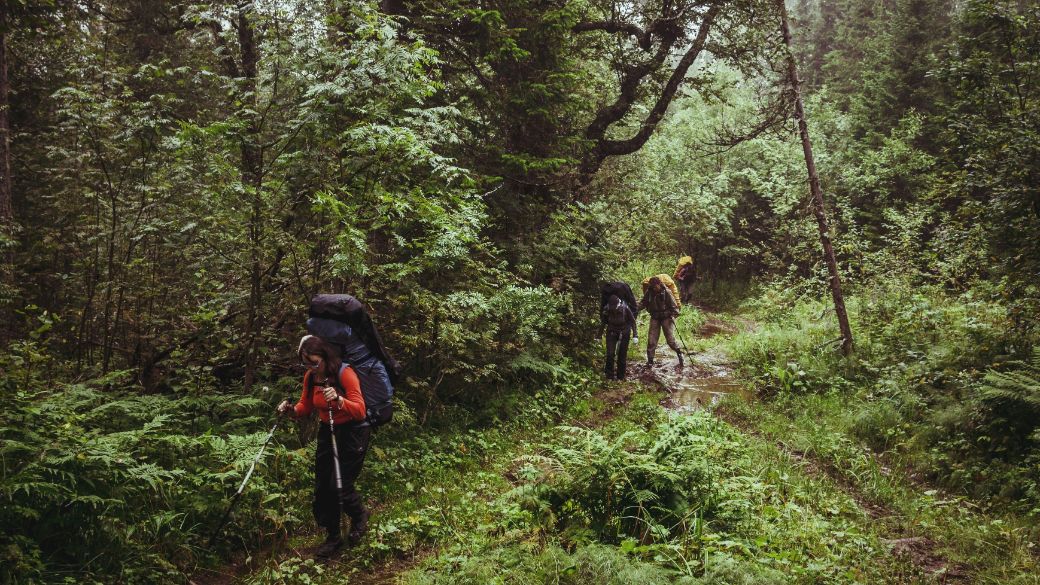
The Twenty-third Psalm gives us a beautiful image: “Yea, though I walk through the valley of the shadow of death.” Notice the movement. We walk through. We may need to pause, find our footing, and let someone walk beside us. But we do not have to build a home there. We do not have to camp out and make the valley our identity.
We add a tremendous burden when we turn what happened into a verdict about ourselves. A relationship ends, and we decide we are unlovable. We make a mistake, and decide we ruin everything. “This hurts” names an experience. “Life will always hurt” makes a prediction and is an awful affirmation. We can acknowledge the first and begin questioning the second.
Recovery taught me that moving forward requires honesty, support, and action. In Unapologetic Manifestation, I teach that we consciously participate in creating our lives. In the valley, that participation may begin with questioning a limiting conclusion, sharing our journey, or taking one concrete step. We do not need to know the whole route to begin.
And the Psalm reminds us, “for thou art with me.” We walk with the Divine Presence, with the people who love us, and with whatever help we need. This week, ask yourself: What am I feeling? What story have I attached to it? Who can walk with me? What is one loving step I can take today?
The valley is part of your journey. It does not have to become your home.